
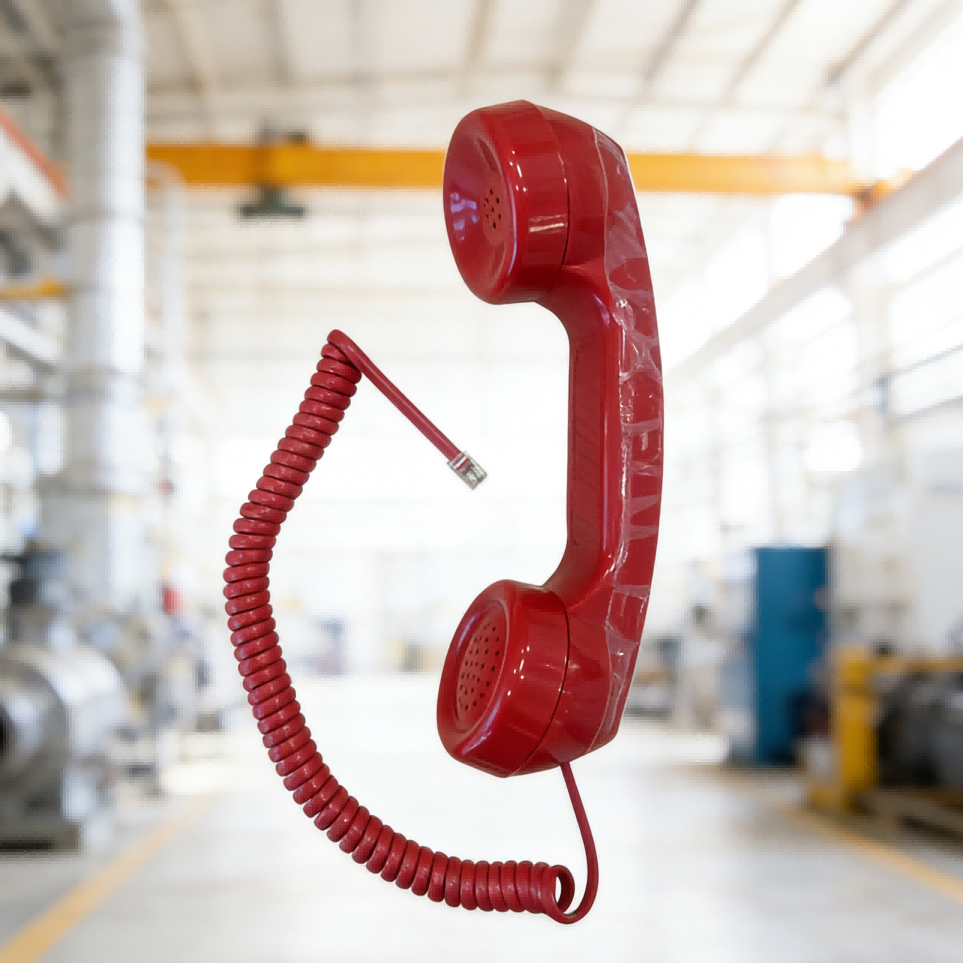
Explosion-proof handsets are crucial. They help reduce human error in high-risk facilities. These devices ensure reliable, safe, and clear communication. This happens even in volatile conditions. An Explosion-Proof Handset minimizes miscommunication. It also enhances situational awareness. This reinforces safety protocols, making workplaces safer.
Key Takeaways
- Explosion-proof handsets make communication clear and safe in dangerous places. They help workers avoid mistakes.
- These special phones stop sparks and work even in loud, tough areas. This keeps everyone safe and connected.
- Using these handsets with good training and clear rules helps prevent accidents. They make workplaces much safer.
The Critical Role of Explosion-Proof Handsets in Preventing Communication Errors
Understanding Human Error in Hazardous Environments
People make mistakes. In dangerous places, these mistakes can cause big problems. Workers might misjudge a situation. They could feel tired or get distracted. These small errors become very serious in facilities with explosive materials or dangerous chemicals. A simple oversight can lead to a major accident. Everyone needs to stay sharp and focused.
How Unreliable Communication Exacerbates Risk
Bad communication makes these human errors even worse. Imagine a worker needs to tell a colleague about a gas leak. If the message gets delayed, or if the sound is unclear, the colleague might not understand the danger. Misunderstandings happen easily. Incomplete information means people cannot react correctly. This directly increases the risk of explosions, fires, or other disasters. Poor communication turns small issues into huge threats.
Ensuring Uninterrupted and Clear Communication with Explosion-Proof Handsets
This is where an Explosion-Proof Handset becomes vital. These devices work perfectly even in the toughest conditions. They cut through loud industrial noise. Workers can hear and understand each other clearly. The handsets ensure messages get through without interruption. This means everyone receives accurate information quickly. Clear communication helps prevent errors from escalating.
Enhancing Situational Awareness and Decision-Making
When communication is clear, workers know exactly what is happening around them. They understand the current situation better. This improved awareness helps them make smart, fast decisions. For example, if a team leader gets clear updates, they can decide the best way to handle an emergency. Better decisions mean fewer mistakes. This keeps everyone safer and prevents serious incidents.
Key Features of Explosion-Proof Handsets for Error Reduction
Intrinsic Safety and Robust Durability
These handsets are not just tough; they are intrinsically safe. This means they cannot create sparks or get hot enough to ignite flammable gases or dust. Imagine a worker accidentally dropping a regular phone in a hazardous zone. That small spark could cause a huge explosion. An Explosion-Proof Handset prevents this. Its design stops such accidents from happening. This feature directly reduces the chance of human error leading to a disaster.
Beyond safety, these devices are incredibly durable. They can handle drops, dust, and water. Workers often operate in harsh conditions. A phone that breaks easily means communication stops. This can lead to dangerous misunderstandings. A robust handset ensures communication stays open, no matter what. This reliability is key to preventing errors caused by equipment failure.
Advanced Noise Cancellation and Audio Clarity
High-risk facilities are usually very noisy. Machines hum, alarms blare, and processes create constant background sound. Trying to talk over this noise is tough. Mishearing a critical instruction can have serious consequences. These handsets come with advanced noise cancellation technology. This tech filters out all that distracting background noise. It makes sure only the speaker’s voice comes through clearly.
Think about it: clear audio means you hear “evacuate immediately” instead of “wait for me.” This clarity prevents dangerous misinterpretations. Workers can understand messages the first time. They do not need to ask for repeats. This saves precious time and ensures everyone acts on accurate information. It significantly reduces errors that stem from poor sound quality.
Ergonomic Design and Ease of Use
Operating equipment in a hazardous environment can be stressful. Workers often wear thick gloves and protective gear. This type of handset needs to be easy to use, even under these conditions. Manufacturers design these devices with ergonomics in mind. They feature large, tactile buttons that workers can press easily with gloved hands. They also have a comfortable grip, so they do not slip.
This thoughtful design reduces human error. Workers can quickly make calls or send messages without fumbling. They do not waste time trying to figure out complicated controls. When a situation is urgent, ease of use is critical. It lets workers focus on the emergency, not on their device. This simple design helps them act correctly and efficiently.
Seamless Integration with Existing Safety Systems
Modern high-risk facilities use many different safety systems. These include public address systems, two-way radios, and control room monitors. An effective handset does not work alone. It integrates seamlessly with these existing systems. This means all communication channels can talk to each other.
Imagine an emergency. A worker reports a problem using their handset. This message can instantly go to the control room, trigger a PA announcement, and alert other teams on their radios. This unified communication network is powerful. It ensures everyone gets the same, real-time information. This integration prevents communication gaps and ensures coordinated responses. It drastically reduces errors caused by fragmented information or slow alerts.
Implementing Explosion-Proof Handsets for Optimal Error Mitigation
Comprehensive Training and User Familiarization
Workers need proper training. They must know how to use their equipment. This includes an Explosion-Proof Handset. Training helps them understand all features. It teaches them how to operate the device correctly. Workers learn about its safety functions. They practice using it in different situations. This familiarity reduces mistakes. It builds confidence. Well-trained workers make fewer errors. They respond better in emergencies.
Regular Maintenance and Inspection Protocols
Devices need care. Regular checks keep them working well. Facilities must set up maintenance plans. Technicians inspect handsets often. They look for damage. They test all functions. This prevents equipment failure. A broken device cannot help. It can even cause problems. Good maintenance ensures reliable communication. It keeps workers safe. This proactive approach stops errors before they happen.
Establishing Clear Communication Procedures
Clear rules are important. Everyone needs to know how to communicate. Facilities should create specific procedures. These rules tell workers what to say. They explain when to say it. They also define who to talk to. For example, a procedure might say, “Report all gas leaks immediately to the control room.” This removes guesswork. It prevents misunderstandings. Clear procedures help workers share information accurately. They ensure everyone acts correctly.
Explosion-Proof Handsets are truly essential. They significantly reduce human error. These devices give robust, clear, and safe communication in high-risk places. Investing in them creates a much safer work environment. It also helps prevent terrible accidents. So, they are a smart choice for any dangerous facility. 👷♀️
FAQ
What makes a handset “explosion-proof”?
An explosion-proof handset cannot create sparks or heat. This prevents ignition of flammable gases or dust. It keeps workers safe in dangerous areas.
Can these handsets work with my existing safety gear?
Yes, they often integrate seamlessly. They connect with public address systems, radios, and control room monitors. This ensures unified communication.
Are explosion-proof handsets difficult to use?
No, manufacturers design them for ease of use. They feature large buttons and comfortable grips. Workers can operate them easily, even with gloves on.