
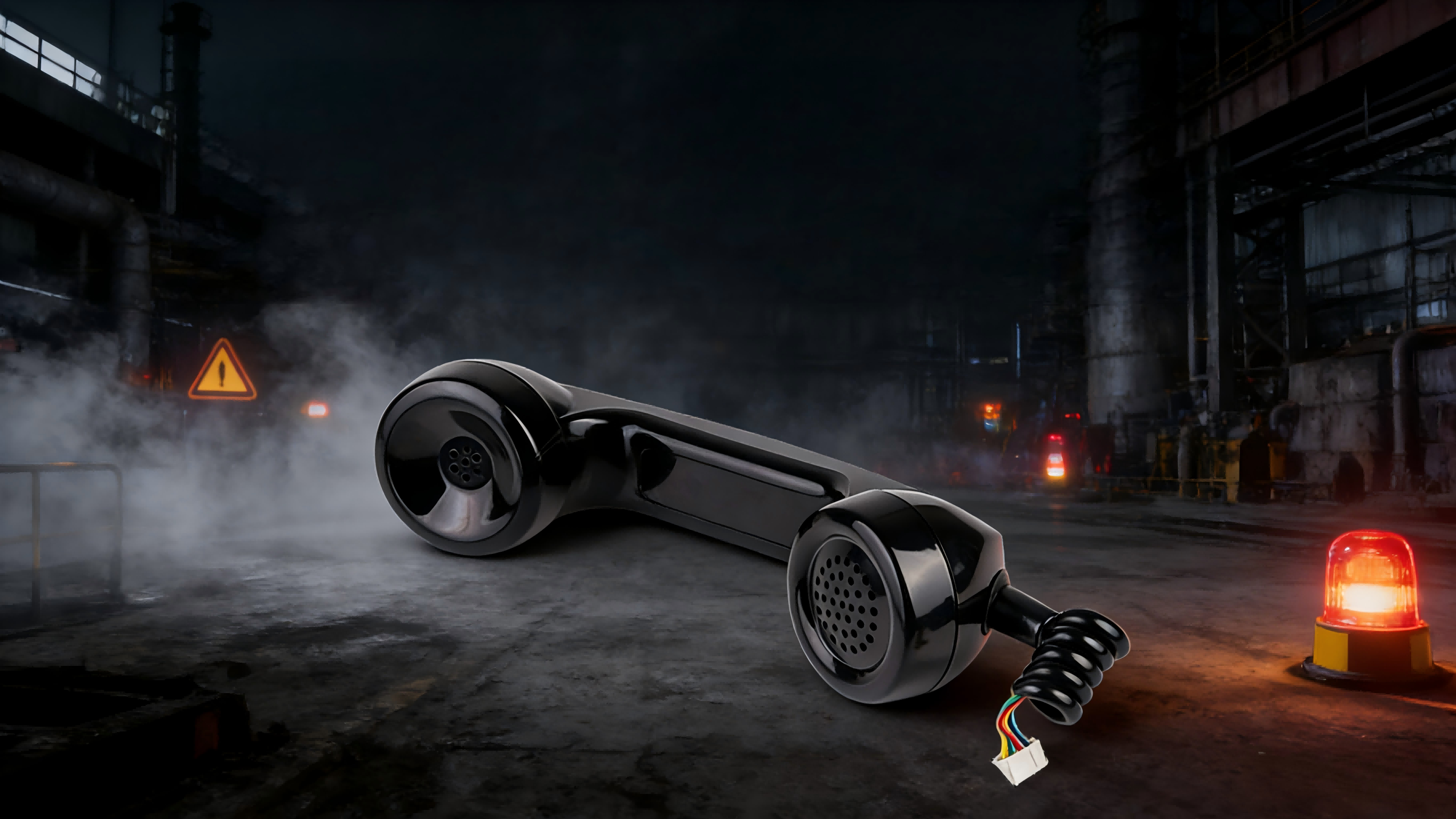
Industrial telephone handsets ensure reliable communication when power or systems fail. Their inherent design makes them durable. They also use independent power sources. Direct line connectivity further supports their function. These features are crucial for maintaining operations and safety during emergencies. They provide a dependable link when other systems might falter.
キーテイクアウト
- Industrial telephone handsets are very strong. They work in tough places like factories. They resist dust, water, and extreme heat or cold.
- These phones have their own power. They use batteries or hand-cranks. This means they still work when the main power goes out.
- Industrial handsets connect directly. They do not need complex networks. This helps people talk easily during emergencies.
Robust Design of Industrial Telephone Handsets for Resilience
Industrial settings are tough places. They often have dust, water, extreme temperatures, and even dangerous gases. Regular phones just cannot handle these conditions. This is where the robust design of an industrial telephone handset truly shines. These devices are built from the ground up to survive and work when other communication tools fail.
Durable Construction Materials
Think about the materials that make these handsets so strong. Manufacturers use reinforced plastics, tough metal alloys, and sometimes even stainless steel. These materials resist impacts, vibrations, and rough handling. A dropped phone in a factory can mean a broken phone. But an industrial telephone handset often bounces back. This strong build means the phone keeps working, even after bumps and scrapes.
Ingress Protection Ratings
You might see something like “IP67” on an industrial handset. This is an Ingress Protection (IP) rating. It tells you how well the device keeps out dust and water. An IP67 rating means the phone is completely dust-tight. It can also handle being submerged in water for a short time. This is super important in places like food processing plants or outdoor construction sites. Water or dust cannot get inside and mess up the electronics.
Temperature and Shock Resistance
Industrial environments can get very hot or very cold. Some areas have constant vibrations from heavy machinery. An industrial telephone handset handles these extremes. They operate reliably in freezing temperatures or scorching heat. They also absorb shocks from drops or impacts. This resilience ensures workers can always make a call, no matter how harsh the conditions get around them.
Intrinsically Safe Designs
Some industrial areas have flammable gases, vapors, or dust. Think about oil rigs, chemical plants, or mines. A tiny spark from a regular phone could cause a huge explosion. Intrinsically safe designs prevent this. These handsets limit electrical and thermal energy. They cannot produce a spark or heat that could ignite a dangerous atmosphere. This design keeps everyone safe in hazardous zones.
Electromagnetic Interference Shielding
Factories often have a lot of electrical noise. Large motors, power lines, and other equipment create electromagnetic interference (EMI). This interference can mess up phone signals. Industrial handsets come with special shielding. This shielding protects the internal electronics from EMI. It ensures clear, uninterrupted communication. You can hear and be heard, even in the noisiest parts of a plant.
Independent Power for Industrial Telephone Handset Operation
When the main power goes out, many communication systems stop working. But industrial settings cannot afford communication blackouts. This is where independent power sources for industrial telephone handsets become vital. These devices have their own ways to stay powered, ensuring they work even when everything else fails.
Battery Backup and Rechargeable Cells
Many industrial telephone handsets come with built-in battery backups. Think of them like the battery in your cell phone, but much tougher and more reliable. These batteries are often rechargeable cells. They constantly charge when main power is available. If the power cuts off, the handset automatically switches to battery power. This means workers can still make calls for hours, or even days, depending on the battery’s capacity. This feature gives peace of mind during unexpected outages.
Hand-Crank Generators
Some industrial environments need communication even in the most extreme situations, where batteries might not be charged or available. For these cases, some industrial telephone handsets feature hand-crank generators. You simply turn a handle, and it creates enough electricity to power the phone. This is a truly independent power source. It does not rely on external power grids or pre-charged batteries. It is a simple, mechanical solution that guarantees communication when all other power options are gone. Imagine a remote mining site; a hand-crank phone could be a lifesaver.
Power over Ethernet Capabilities
Modern industrial communication systems often use Power over Ethernet (PoE). This technology sends both data and electrical power over a single Ethernet cable. If a facility has a PoE-enabled network, an industrial telephone handset can draw its power directly from the network switch. This reduces the need for separate power outlets near each phone. It also means that if the network switch has its own uninterruptible power supply (UPS), the phones connected via PoE will continue to operate during a power failure. This creates a more streamlined and resilient communication setup.
Low Power Consumption Design
Beyond specific power sources, the design of these handsets also plays a big role. Manufacturers engineer industrial telephone handsets to use very little power. This low power consumption extends battery life significantly. It also makes hand-crank generation easier and more effective. A phone that sips power can operate much longer on a small battery or a few turns of a crank. This efficient design is a key factor in their ability to provide reliable communication during extended power outages. Every watt saved means more talk time when it matters most.
Direct and Redundant Communication Pathways for Industrial Telephone Handsets
When emergencies strike, communication pathways become just as important as the devices themselves. Industrial settings demand communication systems that do not rely on fragile, complex networks. They need direct, redundant ways to connect people. This is where industrial telephone handsets truly shine. They offer multiple pathways, ensuring messages get through even when primary systems fail.
Direct Analog Line Connectivity (POTS)
Many people might think of old-fashioned landlines when they hear “POTS” (Plain Old Telephone Service). However, this technology remains incredibly reliable, especially during power outages. POTS lines draw a small amount of power directly from the telephone company’s central office. This means they often continue working even if a facility loses all its internal power. An industrial telephone handset connected to a POTS line provides a direct, independent communication channel. It bypasses complex internal networks and power systems. This simple, robust connection ensures that critical calls can still go out, or come in, when other modern communication methods are down. Think of it as a lifeline that always stays powered.
Dedicated Network Connections
Beyond analog lines, many industrial facilities use dedicated network connections for their communication systems. These are not the same as the public internet or general office networks. Instead, they are isolated, private networks built specifically for operational technology (OT) communication. These networks are often physically separate, use specialized protocols, and have their own power backups. An industrial telephone handset on such a network benefits from this isolation. It means less congestion, higher security, and a much lower risk of failure due to external cyber threats or general network overloads. These dedicated pathways ensure that internal communications, like emergency broadcasts or direct calls to control rooms, remain unaffected by broader IT issues.
Point-to-Point Communication
Some industrial communication needs are very specific: connecting two locations directly, without routing through a central exchange or complex network infrastructure. This is point-to-point communication. For example, a control room might need a direct line to a specific hazardous area, or a machine operator might need to speak directly with a supervisor. Industrial telephone handsets can establish these direct links. They offer a simple, immediate connection between two designated points. This setup minimizes potential failure points. It ensures that critical conversations happen instantly, without delays or reliance on intermediary systems. In an emergency, this directness can save lives and prevent further damage.
Simplified Operational Interfaces
During a crisis, people need to communicate quickly and without confusion. Industrial telephone handsets feature incredibly simplified operational interfaces. They often have large, easy-to-press buttons, clear displays (if any), and straightforward functions. There are no complex menus, apps, or settings to navigate. Users can typically pick up the receiver, press a pre-programmed speed dial button, or dial a number directly. This simplicity reduces the chance of human error under stress. It ensures that anyone, even someone unfamiliar with the specific device, can use it effectively to make an emergency call. When every second counts, a simple interface makes all the difference.
Industrial telephone handsets are vital for critical communication during emergencies. Their robust design, independent power, and direct connectivity combine to ensure operational continuity and safety. They truly become indispensable tools when other systems fail, keeping everyone connected and secure.
よくある質問
Why do industrial handsets work when regular phones fail during power outages?
Industrial handsets often have independent power sources. These include battery backups or hand-crank generators. They also connect directly to analog lines. This means they do not rely on the main power grid.
How are industrial telephone handsets different from standard office phones?
Industrial handsets are much tougher. They use durable materials. They also resist water, dust, and extreme temperatures. Standard office phones cannot handle these harsh conditions.
Where do facilities typically use industrial telephone handsets?
Facilities use industrial handsets in factories, mines, and chemical plants. They also use them on oil rigs and construction sites. These are places where communication is critical and conditions are harsh.
 Japanese
  English
  French
  German
  Korean
  Russian
  Spanish
  Italian
  Polish
  Arabic