
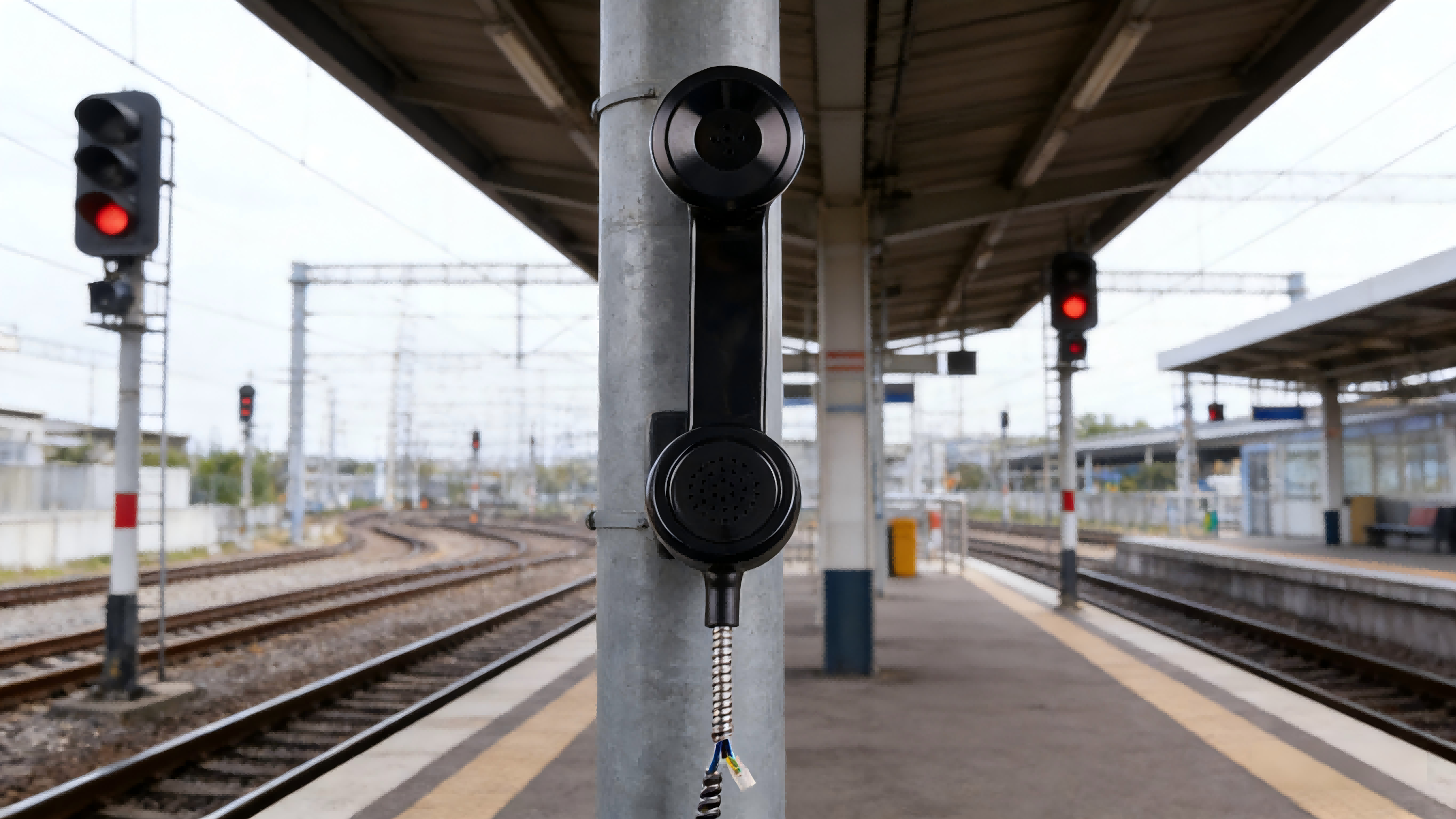
Railway communication systems rely on high-performance industrial telephone handsets. Standard communication devices simply cannot endure the extreme environmental conditions found on railways. They also fail to meet critical safety requirements. Furthermore, these regular devices do not provide the unwavering reliability essential for railway operations.
Key Takeaways
- Industrial telephone handsets are essential for railways. They work in extreme weather, constant shaking, and dirty places where regular phones fail.
- These special handsets keep railway workers safe. They provide clear communication for daily tasks and emergencies, which helps prevent accidents.
- Industrial handsets have strong parts and special features. They block noise, work with gloves, and connect to railway networks, making them reliable tools for train operations.
The Unforgiving Nature of Railway Environments for Communication
Railway environments are tough places for any equipment, especially communication devices. They present unique challenges that standard phones just cannot handle. These conditions demand specialized gear.
Extreme Temperatures and Their Impact on Industrial Telephone Handsets
Railways experience huge temperature swings. Think about scorching summer days on the tracks or freezing winter nights. Regular phones often fail in these conditions. Batteries drain fast in the cold. Components overheat and break down in the heat. An Industrial Telephone Handset must work perfectly whether it is 120 degrees Fahrenheit or below zero. They build these handsets with materials that withstand such extremes.
Constant Vibration, Shock, and the Durability of Industrial Telephone Handsets
Trains move, and they create a lot of vibration. Tracks are not always smooth. This means communication devices face constant shaking and sudden jolts. A standard smartphone would quickly fall apart. Its delicate parts would loosen or break. Industrial handsets, however, feature rugged construction. They absorb these shocks and vibrations. This ensures they keep working, no matter how bumpy the ride.
Pervasive Dust, Dirt, Moisture, and Environmental Sealing in Industrial Telephone Handsets
Railway areas are often dusty, dirty, and wet. Rain, snow, and even fine dust can get into electronic devices. This causes short circuits and corrosion. It quickly ruins internal components. High-performance handsets come with special seals. These seals keep out dust, dirt, and moisture. They protect the phone’s insides from the harsh outdoor elements.
Electromagnetic Interference and Signal Integrity for Industrial Telephone Handsets
Trains use powerful electrical systems. These systems create a lot of electromagnetic interference (EMI). EMI can disrupt radio signals and phone calls. It makes communication unclear or even impossible. Standard phones are not designed to handle this noise. Industrial handsets include special shielding. This shielding protects their signals. It ensures clear, uninterrupted communication, even near strong electrical fields.
Uncompromising Safety and Operational Demands Met by Industrial Telephone Handsets
Railway operations demand the highest levels of safety and reliability. Communication systems play a crucial role in meeting these strict requirements. Standard communication devices simply cannot handle the pressure. High-performance industrial telephone handsets, however, are specifically designed for these critical tasks.
Critical Communication for Railway Operations
Railway operations depend on constant, clear communication. Train dispatchers coordinate train movements. Engineers report track conditions. Maintenance crews receive vital instructions. Any breakdown in communication can lead to severe delays or dangerous situations. Standard phones often drop calls or have poor audio quality. An Industrial Telephone Handset provides crystal-clear audio. It ensures reliable connections. This allows personnel to share vital information without interruption. They make sure everyone stays informed.
Emergency Response Capabilities of Industrial Telephone Handsets
Emergencies can happen quickly on railways. A train breakdown, a track obstruction, or an accident requires immediate action. First responders and railway staff need to communicate instantly. They must share accurate details. Regular phones might fail in harsh conditions or lack necessary features. Industrial handsets often include dedicated emergency buttons. These buttons connect users directly to control centers. They provide robust, secure lines for critical emergency calls. This capability saves lives and minimizes damage.
Fail-Safe Operation and Robustness in Industrial Telephone Handsets
Railway systems prioritize safety above all else. Communication devices must operate reliably, even under stress. Fail-safe design means the system either continues working or fails in a way that does not create danger. Industrial handsets are built with this principle. They use redundant components. Their robust construction resists physical damage. This ensures they remain operational when needed most. They provide a dependable link for all railway personnel.
Compliance with Strict Railway Industry Standards for Industrial Telephone Handsets
The railway industry follows very strict regulations. These standards ensure safety, reliability, and interoperability across different systems. For example, standards like EN 50121 and EN 50155 specify requirements for electronic equipment. They cover electromagnetic compatibility and resistance to environmental factors. Manufacturers design industrial handsets to meet these exact specifications. They undergo rigorous testing. This compliance guarantees the handsets perform reliably in the demanding railway environment. It also ensures they integrate seamlessly with existing railway infrastructure.
Key Features of High-Performance Industrial Telephone Handsets for Railways
High-performance communication devices do not just survive railway environments. They also offer specific features that make them essential. These features go beyond basic durability. They ensure clear, reliable, and safe communication for everyone on the tracks. Let’s look at what makes these handsets so special.
Ruggedized Construction and Materials for Railway Use
Railway equipment takes a beating. That is why these handsets feature ruggedized construction. Manufacturers build them from tough materials. Think reinforced plastics, impact-resistant polymers, and sometimes even metal alloys. These materials protect the internal components. They resist drops, bumps, and constant handling. A standard phone would shatter. These handsets just keep working. They are ready for the daily challenges of railway work.
Advanced Environmental Sealing (IP Ratings) for Industrial Telephone Handsets
Dust, dirt, and water are everywhere on railways. High-performance handsets come with advanced environmental sealing. This sealing meets specific Ingress Protection (IP) ratings. For example, an IP67 rating means the device is dust-tight. It can also withstand temporary immersion in water. This protection keeps out harmful elements. It prevents short circuits and corrosion. You can trust these phones to work in rain, snow, or dusty conditions.
Superior Noise Cancellation and Audio Clarity in Loud Environments
Railway environments are incredibly noisy. Trains rumble, machinery whirs, and wind howls. Clear communication becomes very difficult. High-performance handsets use superior noise cancellation technology. They often have multiple microphones. These microphones filter out background noise. They focus on the speaker’s voice. This ensures crystal-clear audio. You can hear and be heard, even next to a passing train. This clarity is vital for safety and operational efficiency.
Ergonomics for Gloved Hands and Usability
Railway workers often wear heavy gloves for protection. Operating a small, sleek smartphone with gloves is nearly impossible. Industrial handsets solve this problem. They feature larger buttons. These buttons are easy to press, even with thick gloves. Their design also includes textured surfaces. This provides a secure grip. The overall design prioritizes usability. Workers can operate them quickly and easily, even in stressful situations.
Specialized Connectivity Options for Railway Networks
Railway communication systems are unique. They often use specialized networks like GSM-R (Global System for Mobile Communications – Railway). Standard phones do not connect to these networks. High-performance handsets offer the right connectivity options. They integrate seamlessly with existing railway infrastructure. They also feature robust connectors. These connectors ensure a stable link. This specialized connectivity guarantees reliable communication across the entire railway system. An Industrial Telephone Handset is truly built for this specific purpose.
Long-Term Durability and Low Maintenance Benefits
Investing in high-performance handsets pays off over time. Their rugged construction and advanced sealing mean they last much longer than consumer-grade devices. They require less frequent repairs and replacements. This translates to lower maintenance costs. It also means less downtime for communication equipment. Railway operations need continuous, reliable tools. These handsets provide that long-term durability and consistent performance.
High-performance Industrial Telephone Handsets are vital for railway communication systems. Their specialized design and robust features directly address the unique environmental, safety, and operational challenges of railway environments. Investing in these handsets ensures reliable, critical communication. This safeguards operations and personnel where standard devices would inevitably fail.
FAQ
What makes industrial telephone handsets different from regular phones for railway use?
Industrial handsets handle extreme temperatures, vibrations, and dirt. Regular phones break down in these harsh railway conditions. They also offer specialized features for safety.
Why are these handsets so important for railway safety?
They provide clear, reliable communication. This is crucial for coordinating trains and responding to emergencies. Their robust design ensures they work when needed most.
How do industrial handsets ensure clear communication in noisy railway environments?
They use advanced noise cancellation technology. This filters out background sounds. It makes sure workers can hear and be heard clearly, even near loud trains.
 English
  French
  German
  Japanese
  Korean
  Russian
  Spanish
  Italian
  Polish
  Arabic