
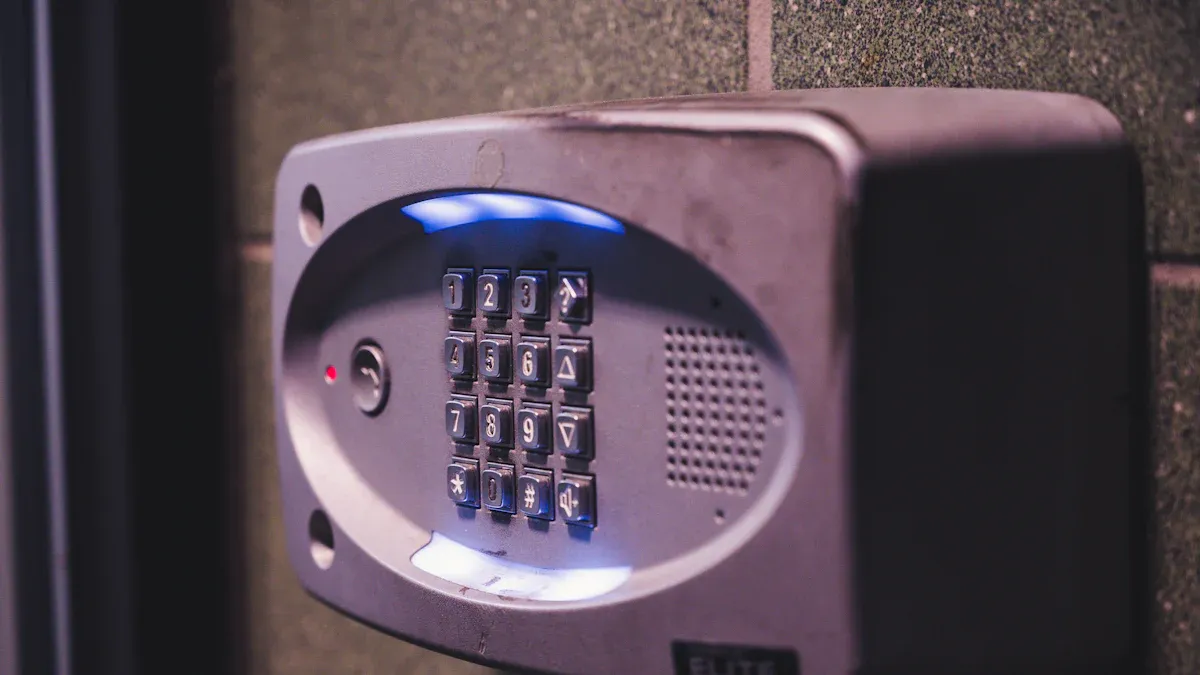
Industrial keypads offer unyielding control in the harshest conditions. They are essential for reliable data input and control within challenging operational settings. Engineers design these devices to withstand environmental aggressors and intentional damage. This ensures consistent performance where standard equipment simply cannot survive.
Key Takeaways
- Industrial keypads work in tough places where regular keypads break. They handle extreme heat, cold, dust, water, and even people trying to damage them.
- These keypads are very strong because they use special materials like stainless steel. They also have tight seals to keep out water and dust, making them last a long time.
- You can find these tough keypads in factories, public machines like ATMs, and even on ships. They help keep important systems working no matter how bad the conditions are.
Understanding Extreme Environments for Industrial Keypads
What Defines an Extreme Environment?
An extreme environment is any place that pushes equipment beyond its normal limits. Think about conditions far tougher than a typical office. These places often have very hot or very cold temperatures. They might also be full of dust, dirt, or moisture from rain, humidity, or even washdowns. Some environments expose equipment to harsh chemicals, constant vibrations, or heavy impacts. Sometimes, people might even try to damage the equipment on purpose. These challenging settings are common in factories, public spaces, and outdoor areas.
Why Standard Keypads Fail in Harsh Conditions
Standard keypads, like the ones on your computer, just cannot survive in these tough places. They are not built for such abuse. For example, water easily gets inside a regular keypad. This causes short circuits and stops it from working. Dust and dirt can clog the buttons and wear down the internal parts. Extreme temperatures make plastic parts warp or crack. The electronics inside also stop working correctly. If someone hits a standard keypad, its fragile plastic breaks easily, and buttons pop off. Chemicals can corrode the materials. An Industrial Keypad needs to handle all these threats without failing. Standard keypads simply lack the robust design and materials for these demanding situations.
Core Design Principles of Waterproof and Anti-Vandal Industrial Keypads
Achieving Superior Waterproofing and IP Ratings
Water poses a significant threat to electronic devices. Therefore, industrial keypads must effectively block water entry. Designers achieve this through specialized construction. A crucial element is the IP rating. IP stands for Ingress Protection. This rating clearly indicates a device’s resistance to both dust and water. The first digit specifies dust protection. A ‘6’ means the device is completely dust-tight. The second digit describes water resistance. For instance, an IP65 rating means the keypad withstands water jets. An IP67 rating allows temporary submersion in water. An IP68 rating permits longer periods of submersion. Manufacturers achieve these high levels of protection with sealed enclosures. They incorporate special gaskets and O-rings. These components form a tight barrier. Some keypads feature membrane switches. These offer fully sealed surfaces. Potting is another technique. It fills the internal electronics with a protective compound. These methods prevent moisture from entering. They ensure the keypad continues to function reliably.
Anti-Vandal Construction: Built to Resist Impact
Certain environments demand keypads that endure severe physical abuse. This includes protection against deliberate damage. Anti-vandal keypads are exceptionally robust. They incorporate very strong materials. Stainless steel is a popular choice; it resists dents and scratches well. Tough plastics and zinc alloys also provide significant strength. The design itself contributes to durability. Many keypads mount flush with a surface. This design leaves no exposed edges for prying. They use tamper-proof fasteners. Standard tools cannot remove these. Buttons often consist of solid metal. They do not easily detach. The housing is reinforced. It shields internal components from heavy impacts. These Industrial Keypad models withstand blunt force. They also resist sharp objects. Some even tolerate chemical spills. This sturdy construction keeps the keypad operational. It prevents expensive repairs and minimizes downtime.
Key Features for Extreme Performance in Industrial Keypads
Material Science: The Foundation of Durability
The right materials make industrial keypads tough. Manufacturers choose these materials carefully. They ensure the keypads can handle harsh conditions. Stainless steel is a common choice. It resists rust and dents very well. Tough plastics, like polycarbonate, also provide great strength. These plastics can take hard hits without breaking. Silicone is another important material. It creates seals that keep out water and dust. Specialized polymers resist chemicals and extreme temperatures. These materials stop corrosion. They prevent damage from impacts. They also keep the keypad working in very hot or very cold places. The choice of material directly affects how long a keypad lasts in tough environments.
Enhanced Tactile Feedback and Usability
Users need to know when they press a button. This is especially true in industrial settings. Workers might wear thick gloves. The environment can be noisy or dimly lit. Good tactile feedback helps them. It means they feel a clear “click” when a button activates. Many keypads use metal dome switches for this. These switches give a distinct feel. Short travel keys also help. They require less movement to activate. Large, well-spaced buttons are easier to press accurately. Backlighting makes buttons visible in low light. Some keypads even have adjustable brightness. An ergonomic design also makes the keypad comfortable to use for long periods. These features ensure reliable input, even under difficult conditions.
Connectivity and Integration for Industrial Keypads
An Industrial Keypad must connect easily to other systems. It needs to send data reliably. Many keypads use standard connections. These include USB, PS/2, RS232, or RS485. Some advanced models use Ethernet for network integration. The connections themselves must be robust. Sealed connectors prevent water or dust from getting in. Strain relief protects cables from bending or breaking. This ensures a secure link to control systems. Keypads often integrate with Programmable Logic Controllers (PLCs). They also work with Human-Machine Interfaces (HMIs). Manufacturers design them for easy setup. This allows quick integration into existing industrial setups. Customization options also exist. They help keypads fit specific application needs perfectly.
Applications of Waterproof and Anti-Vandal Industrial Keypads
Industrial Automation and Manufacturing
Factories and production lines demand tough equipment. These environments often feature dust, oil, and harsh chemicals. Machines also vibrate constantly. Workers might even wash down equipment regularly. Waterproof and anti-vandal keypads provide reliable control for these settings. They help operators enter data and run complex machinery. These specialized keypads ensure smooth, uninterrupted operations in demanding factory environments. 🏭
Public Access and Kiosks
You often find these keypads on ATMs, ticketing machines, and vending machines. Many people use them daily. They face heavy use and sometimes vandalism. Outdoor kiosks also deal with rain, sun, and dirt. These keypads offer exceptional durability against abuse. They resist weather elements and keep working reliably. This ensures continuous service for the public. 🎟️
Marine, Military, and Outdoor Environments
Ships, military vehicles, and outdoor control panels rely on these keypads. They must survive saltwater, extreme temperatures, and constant shocks. Sand and direct sunlight are also common threats. An Industrial Keypad in these places needs to be incredibly strong. It resists corrosion and handles critical operations without fail. This ensures reliability in the toughest conditions, from naval vessels to field equipment. ⚓
Hazardous and Specialized Environments
Some places have explosive gases or corrosive chemicals. Oil rigs, chemical plants, and mines are prime examples. Cleanrooms also require special, sealed equipment. These keypads offer enhanced safety with explosion-proof ratings. They resist chemicals and provide precise control in critical areas. This helps maintain vital operations in dangerous or sensitive environments. 🧪
Industrial keypads are vital for maintaining operational integrity and safety. Their specialized design, robust materials, and advanced sealing technologies ensure consistent performance. This minimizes downtime. Ultimately, these keypads guarantee unyielding control and impressive longevity in any extreme environment.
FAQ
What does an IP rating mean for a keypad?
An IP rating shows how well a keypad keeps out dust and water. The higher the numbers, the better its protection. For example, IP67 means it is dust-proof and can handle temporary water submersion. 💧
Why are anti-vandal keypads so important?
Anti-vandal keypads stop people from breaking them. They resist heavy impacts and prying. This keeps the keypads working in public places or tough work sites, ensuring continuous operation. 💪
What materials make these keypads tough?
Strong materials like stainless steel and tough plastics make keypads durable. Silicone seals keep out water and dust. These materials resist damage from impacts, chemicals, and harsh weather. 🛠️
 English
  French
  German
  Japanese
  Korean
  Russian
  Spanish
  Italian
  Polish
  Arabic