
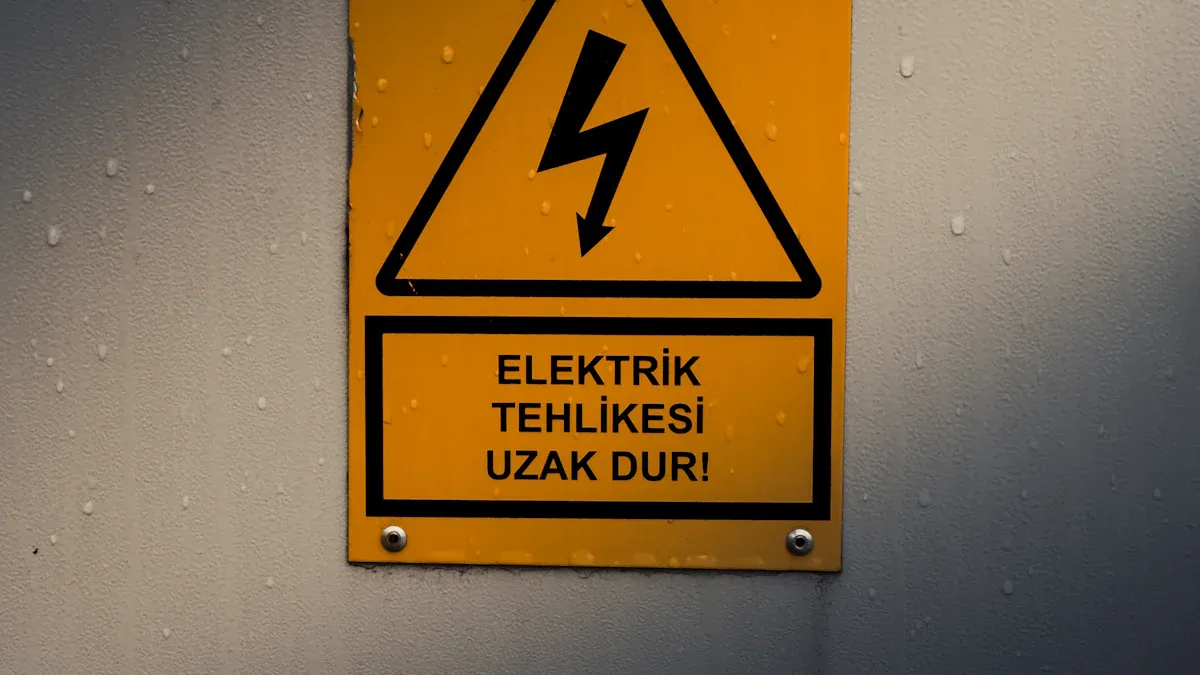
Standard communication devices pose unacceptable risks in hazardous environments. They cannot prevent ignition or withstand harsh conditions. Certified Industrial Telephone Handsets are fundamental for safe, reliable communication. They directly meet the tough safety and operational demands of these environments. Hazardous areas need specialized communication solutions. These solutions protect personnel and assets.
Key Takeaways
- Regular phones are dangerous in hazardous areas because they can cause explosions or break easily. They are not built for tough places.
- Certified industrial phones are safe because they prevent explosions and can handle harsh conditions. They have special features like strong cases and clear sound.
- Using certified industrial phones helps workers communicate clearly and quickly during emergencies. This keeps everyone safe and follows important safety rules.
Why Standard Devices Fail in Hazardous Areas
Standard communication devices, like your everyday smartphone or office phone, simply cannot survive or operate safely in hazardous environments. They pose significant risks. These risks range from causing explosions to failing when people need them most.
Ignition Risk from Non-Certified Electronics
Regular electronic devices are not safe for hazardous areas. They can create sparks. They can also generate heat or static electricity. In places with flammable gases, vapors, dusts, or fibers, these small energy sources can cause a big problem. They can ignite the atmosphere. Imagine a tiny spark from a phone battery igniting a gas leak. The results would be catastrophic. Standard phones, radios, and tablets do not have the special safety certifications, like ATEX or IECEx, that prevent such ignitions. They are not designed to contain energy or prevent sparks. This makes them a serious hazard.
Vulnerability to Harsh Environmental Conditions
Hazardous areas are tough places. They often have extreme temperatures, high humidity, lots of dust, or corrosive chemicals. Machines vibrate constantly, and impacts can happen easily. Standard devices cannot handle these conditions. Water can get inside them, causing circuits to short. Dust can build up and block vents or buttons. Extreme heat or cold can damage internal components. A drop can shatter a screen or break internal parts. When a device fails due to these conditions, it means people lose their ability to communicate. This creates dangerous situations where help cannot be called or warnings cannot be given.
Inadequate Audio Clarity in Noisy Settings
Many hazardous environments are incredibly noisy. Loud machinery, alarms, and industrial processes create a constant din. Standard communication devices struggle in these conditions. They lack powerful speakers to cut through the noise. They also do not have advanced noise-canceling microphones. This means conversations become difficult, if not impossible. People might misunderstand critical instructions. They might miss important warnings. Poor audio clarity leads to miscommunication, which can delay responses in emergencies. It also makes routine coordination inefficient and risky. An Industrial Telephone Handset, however, solves these problems with its specialized design.
Essential Safety Features of a Certified Industrial Telephone Handset
Certified industrial telephone handsets are not just tougher versions of regular phones. They come with specific features that make them essential for safety in dangerous places. These features directly address the risks standard devices pose.
Explosion-Proof and Intrinsically Safe Design
The most critical safety feature of these handsets is their design to prevent explosions. Manufacturers build them either “explosion-proof” or “intrinsically safe.” An explosion-proof design means the device contains any spark or explosion inside its casing. This prevents it from igniting flammable gases or dust outside. Think of it like a strong box that keeps any internal fire from escaping.
Intrinsically safe designs take a different approach. They limit the electrical and thermal energy within the device. This ensures that sparks or heat cannot reach a level high enough to ignite hazardous materials. ⚡️ Both designs undergo rigorous testing and receive certifications like ATEX or IECEx. These certifications prove the devices meet strict international safety standards. Without these specialized designs, any communication device becomes a potential ignition source in a hazardous area.
Rugged Durability and Environmental Resistance
Hazardous environments are tough on equipment. Certified handsets are built to withstand these harsh conditions. They feature robust casings, often made from reinforced plastics or metals, which protect against impacts, vibrations, and drops. These devices also boast high Ingress Protection (IP) ratings. An IP rating indicates how well a device resists dust and water. For example, an IP67 rating means the handset is completely dust-tight and can withstand temporary immersion in water.
💡 Tip: High IP ratings are crucial for environments with dust, rain, or even chemical splashes.
They also operate reliably in extreme temperatures, from freezing cold to intense heat. This ruggedness ensures the phone works when people need it most, preventing communication failures that could lead to accidents.
Superior Audio Performance and Noise Cancellation
Noisy industrial settings make clear communication a challenge. Certified industrial telephone handsets overcome this with superior audio technology. They feature powerful speakers that cut through loud background noise, ensuring the user hears incoming calls and messages clearly. More importantly, they incorporate advanced noise-canceling microphones. These microphones filter out ambient sounds, focusing only on the speaker’s voice. This means the person on the other end hears clear, understandable speech, even if the caller stands next to loud machinery. Clear communication prevents misunderstandings, which is vital for safety instructions and emergency coordination.
Dedicated Emergency Functions and Integration Capabilities
Beyond basic calling, these handsets offer dedicated emergency features. Many include a prominent “SOS” or emergency button. Pressing this button can automatically dial pre-programmed emergency numbers or trigger an alarm in a control room. Some models also integrate with other safety systems. They can connect to public address (PA) systems for site-wide announcements or interface with alarm systems to provide immediate alerts. This integration capability makes the Industrial Telephone Handset a central part of a comprehensive safety infrastructure. It allows for rapid response during emergencies, facilitating quick evacuations and efficient coordination of rescue efforts.
Enhancing Operational Safety and Regulatory Compliance with an Industrial Telephone Handset
Facilitating Rapid Emergency Response and Evacuation
When an emergency strikes, every second matters. Certified handsets empower workers to report incidents quickly. They can call for help immediately. This rapid communication helps emergency teams respond faster. Clear instructions go out to everyone. This guides safe evacuation routes. It helps coordinate rescue efforts. Fast communication saves lives and reduces potential damage. 🚨
Improving Routine Communication and Coordination
Beyond emergencies, these handsets make daily operations much smoother. Workers can easily talk to each other. They coordinate tasks like maintenance, logistics, or material handling. Clear communication prevents mistakes. It boosts productivity. An Industrial Telephone Handset ensures everyone stays connected. This helps teams work together efficiently and safely. It also reduces downtime.
💡 Tip: Clear communication in routine tasks prevents small issues from becoming big problems.
Meeting Strict Industry Safety Standards and Regulations
Companies in hazardous areas must follow strict safety rules. Regulatory bodies like OSHA or local authorities demand certified equipment. Using certified handsets helps companies meet these tough standards. They show a strong commitment to safety. This avoids heavy fines and legal issues. More importantly, it creates a safer work environment for everyone. Compliance is not just about rules; it is about protecting people and ensuring operational integrity.
Certified Industrial Telephone Handsets are essential for hazardous area communication. They directly solve critical safety and operational challenges. Their special design and certifications are not just an option. They are a basic need to keep people and equipment safe. Investing in these certified solutions shows a strong commitment to safety, continuous operations, and following rules.
FAQ
What makes a phone “explosion-proof”?
An explosion-proof phone contains any internal spark or explosion. This stops it from igniting flammable materials outside. It keeps everyone safe.
Can I use my regular smartphone in a hazardous area?
No, absolutely not. Regular smartphones can create sparks or heat. These can cause explosions in dangerous environments. They are not safe. 🚫
What certifications are important for these phones?
Look for ATEX or IECEx certifications. These prove the phone meets strict international safety standards. They ensure the device is safe for hazardous use.
 English
  French
  German
  Japanese
  Korean
  Russian
  Spanish
  Italian
  Polish
  Arabic